
India's BESS Market in 2027: What the Next 18 Months Actually Look Like
The Indian battery energy storage sector is at an inflection point. Five years ago, grid-scale BESS was a pilot programme — a handful of projects, mostly imported technology, limited policy framework, and almost no debt financing. Today, India has operational grid-scale BESS installations, three competing central procurement mechanisms (SECI VGF, SECI hybrid, state DISCOM tenders), active DFI lending programmes, and a domestic integration industry that is maturing rapidly.
The next 18 months — through Q1 2028 — will determine whether this inflection point becomes a market that scales, or stalls at the threshold. This article provides our honest assessment of the demand pipeline, supply chain trajectory, policy environment, and competitive dynamics that will shape India's BESS market through 2027 and into 2028.
The Demand Picture: What Is Real vs. Announced
India's stated storage targets are ambitious. The Ministry of Power's revised targets (2023 amendment) call for 47 GWh of energy storage by 2030. MNRE's 2026 roadmap adds further refinement, with 20 GWh of storage targeted by 2027 under its combined VGF, DISCOM, and captive storage programmes.
The gap between announced targets and what will actually reach financial close in the next 18 months is significant. Our assessment of the near-term committed pipeline:
High confidence (LoA issued, financial close in progress or expected within 12 months):
- SECI VGF Phase 1: 4,000 MWh tendered. Of this, 2,500–3,000 MWh has realistic prospects of reaching financial close by Q2 2027. The remainder faces site or financing complications.
- MSEDCL 1,000 MWh: Procurement process underway; 700–800 MWh expected to close.
- GUVNL 500 MWh: On track; 500 MWh likely to close by Q4 2027.
Medium confidence (tender issued, LoA expected within 12–18 months):
- RVUNL 500 MW Rajasthan: RfS expected Q4 2026; LoA by mid-2027 if on schedule.
- TNEB Tamil Nadu 500 MWh: TNERC regulation underway; tender likely H1 2027.
- NTPC hybrid storage (integrated with renewable tenders): 1,000–2,000 MWh across multiple projects.
Lower confidence (announced, regulatory or procurement process not yet advanced):
- AP, Telangana, Karnataka state tenders: Interest expressed but regulatory framework not finalised in any of these states.
- Private merchant BESS: Exciting concept, minimal financing reality in 18-month window.
Realistic committed market in 18 months: 5,000–7,500 MWh. This is substantially below the 20 GWh headline target, but it is still a historically large procurement for India — 20–30x the installed base that existed three years ago.
The Supply Chain: Cells, PCS, and Indian Integration
LFP Cell Supply
Tier 1 Chinese LFP cell supply is adequate for the projected 5,000–7,500 MWh Indian demand in 2026–2027, but the BESS market competes for cell supply with the rapidly growing Chinese and global EV market, which is an order of magnitude larger. Demand spikes — driven by EV sales cycles or policy incentives in China and Europe — can tighten cell supply and drive up spot prices.
For Indian BESS projects with 2026–2027 commissioning dates, the risk of cell supply disruption is real. Projects that have not secured frame agreements or at minimum letters of allocation from Tier 1 suppliers by Q3 2026 risk procurement delays. This supply security is the primary argument for early procurement commitment.
Power Conversion System (PCS)
India currently imports virtually all PCS from China (Sungrow, CATL Energy Storage, BYD's ESS division) and to a lesser extent from Europe (ABB Hitachi, GE Vernova) and South Korea (Hyundai, Samsung SDI integrations). PCS lead times for Indian grid code-compliant units: 12–20 weeks.
The Make-in-India PCS ecosystem is nascent but real. Several Indian companies are developing grid-scale PCS domestically, supported by PLI incentives for power electronics. Delta Electronics India, TMEIC India, and ABB's Vadodara facility (for smaller PCS) all have some domestic manufacturing capability. Fully domestic large-scale PCS (2.5 MW+ single units) is probably 2–3 years away from being commercially viable.
Indian BESS Integration
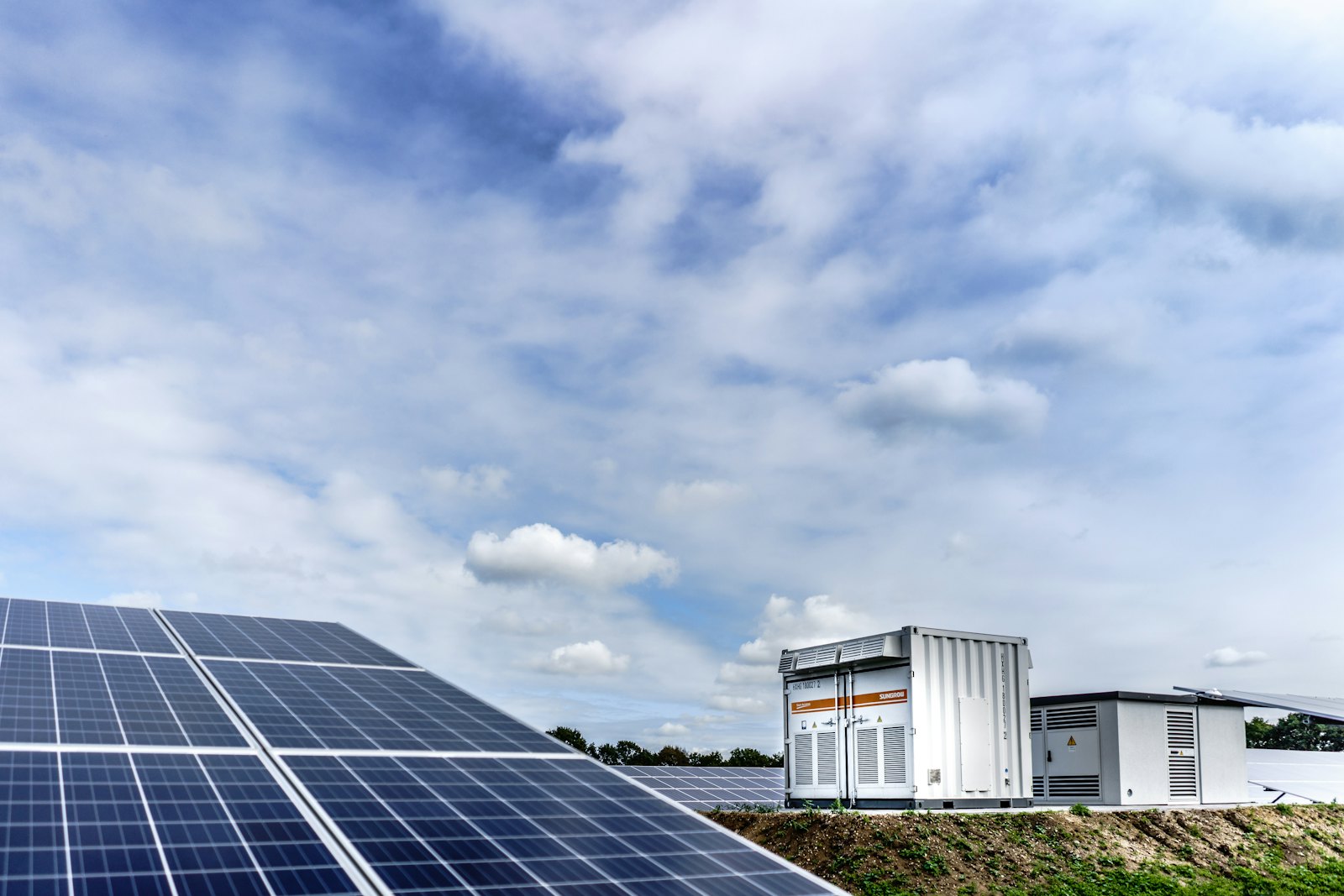
The domestic BESS integration industry — assembling imported cells into containerised systems with Indian BMS, PCS integration, thermal management, and quality testing — is the segment that is most ready to scale in the 18-month window. SilicIndia Energies operates in this space, and we are not alone: at least 5–8 Indian companies are now active in domestic BESS integration at varying scales.
The key constraint on integration capacity expansion is not capital or technology — it is the availability of engineers with battery electrochemistry and power electronics expertise. Indian engineering universities are producing relevant graduates, but the battery-specific training pipeline is thin. The industry is addressing this through internal training programmes and selective hiring from the automotive battery ecosystem.
The Competitive Landscape: Who Is Competing for the Indian BESS Market
The Indian BESS market in 2026–2027 will be contested between several distinct competitor categories:
Chinese OEM complete systems (CATL, BYD, Sungrow+cell): Strong on technology and price; challenged on domestic content, BIS compliance, and service response time. Will win the largest projects (500 MWh+) where price is dominant and procurement is managed by sophisticated developers with international supply chain capability.
Indian system integrators (SilicIndia Energies, emerging competitors): Competitive on total landed cost (BCD advantage), delivery timeline, and service accountability. Best positioned for 50–500 MWh project sizes, DISCOM offtake projects requiring domestic content, and C&I customers who value local service. This segment will grow rapidly.
Global EPC contractors with Chinese cell sourcing (Tata Power Solar, Greenko, Azure subsidiary): Large EPC companies executing BESS as part of hybrid RE projects. They procure cells internationally and integrate on-site. Competitive for large hybrid tenders but less relevant for standalone BESS.
European and US technology providers (ABB, GE, Tesla Megapack): Premium price, premium technology. Tesla Megapack has been quoted in India for large projects but at cost levels that make it competitive only for projects where technology risk premium matters most (e.g., data center BESS for multinational operators). Not a mass-market player in India.
Policy Wildcards: What Could Change the Trajectory
Upside wildcards
BIS QCO enforcement on complete BESS systems: If BIS extends Quality Control Orders to complete BESS systems before uncertified Chinese systems can achieve certification, it could effectively block a significant share of Chinese complete-system imports — a material advantage for Indian integrators.
Enhanced DCR provisions in SECI tenders: If SECI's Phase 2 VGF tender (expected H2 2027) includes stricter domestic content requirements that go beyond current provisions, Indian integration share would increase significantly.
State SERC BESS mandates accelerating: If Maharashtra, Karnataka, and Tamil Nadu SERCs issue mandatory procurement orders requiring DISCOMs to procure storage above current RPO/RPPO levels, demand could exceed our base case by 2,000–3,000 MWh.
Downside wildcards
State DISCOM payment delays: If the financial health of state DISCOMs deteriorates further — a risk in several stressed states — lenders may refuse to lend against state offtake agreements without central government guarantees, slowing financial close.
LFP cell price spike: If a supply crunch (driven by EV demand surge) causes LFP cell prices to rise 20%+ from current levels, project economics for bids already submitted under lower price assumptions would deteriorate.
Regulatory uncertainty (CERC tariff determination): CERC is reviewing the regulatory framework for storage tariffs in electricity markets. Changes to the ancillary service tariff structure could affect merchant revenues for VGF projects.
What This Means for SilicIndia Energies and Our Customers
The next 18 months present the most significant market opportunity India's BESS sector has ever seen. The 5,000–7,500 MWh of committed pipeline represents roughly ₹35,000–60,000 crore of project investment and ₹4,000–7,000 crore of BESS equipment demand.
For developers bidding in this market, equipment supply reliability — knowing your BESS supplier can deliver on time, to specification, with service accountability — is as important as price. The projects that miss their commissioning deadlines in this cycle will face penalty provisions from SECI or DISCOMs that can permanently impair project economics.
We are scaling our Mandvi integration capacity, deepening cell supplier relationships with two Tier 1 manufacturers, and expanding our service team to support O&M commitments for the projects commissioning in 2026–2027. If you are a developer evaluating equipment supply for projects in this pipeline, we would like to be part of that conversation early — before tender submission, not after LoA.
India's BESS market in 2027 will be larger, more competitive, and more demanding than anything the sector has seen before. The organisations that prepare their supply chains now — for cells, for financing, for service — will be the ones who actually deliver the projects that India needs.
Contact SilicIndia Energies to discuss your project's equipment and technical requirements. Our team is actively supporting bid preparation for SECI VGF, MSEDCL, GUVNL, and state hybrid tenders across India.